
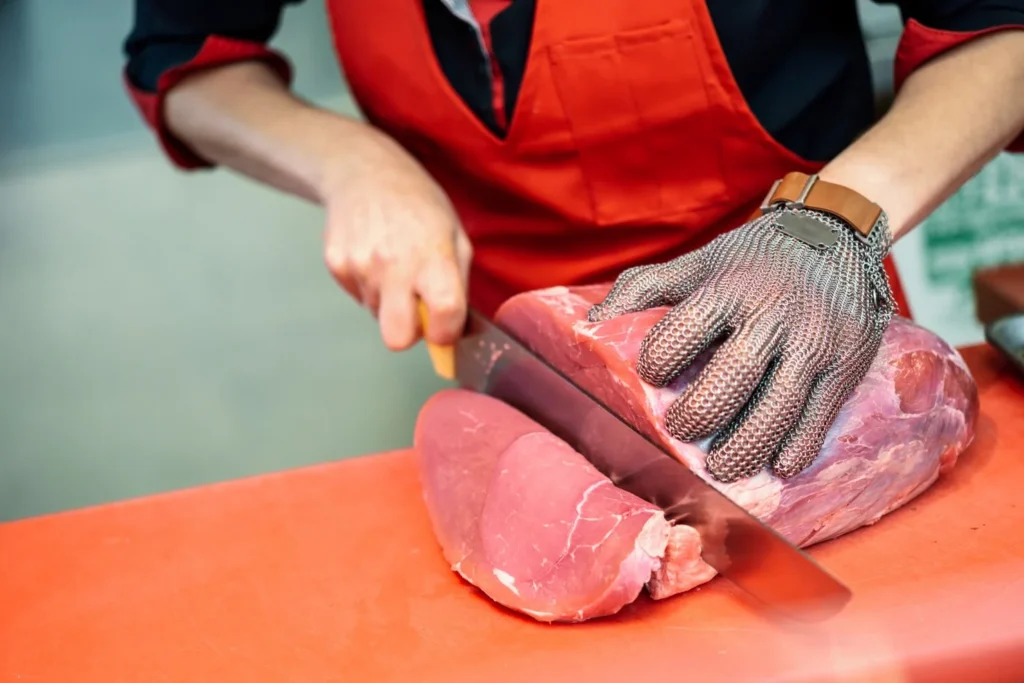
Meat Cutters play an essential role in Ontario’s food processing, grocery retail, wholesale distribution, and meat production industries. As demand for food products continues to grow across the province, employers are actively seeking skilled workers who can safely prepare, process, and package meat products.
Whether you’re considering a new career path or looking to advance within the food production industry, Meat Cutter positions can offer stable employment, competitive wages, and long-term career opportunities.
If you’re currently searching for opportunities, explore our available Meat Cutter Jobs in Ontario to see current openings.
What Does a Meat Cutter Do?
Meat Cutters are responsible for preparing, trimming, cutting, deboning, and packaging meat products according to quality and safety standards.
Depending on the workplace, responsibilities may include:
- Cutting and trimming meat products
- Deboning beef, pork, poultry, and other meats
- Operating cutting equipment and machinery
- Packaging and labeling products
- Maintaining food safety standards
- Inspecting product quality
- Managing inventory and storage procedures
Meat Cutters work in a variety of environments including food processing facilities, meat production plants, distribution centers, grocery stores, and butcher shops.
Why Meat Cutter Jobs Are in Demand in Ontario
Ontario’s food processing industry remains one of the province’s largest manufacturing sectors. As consumer demand for meat and food products continues to grow, employers require skilled workers to help maintain production and distribution operations.
Labour shortages in food manufacturing and processing facilities have created ongoing opportunities for both experienced and entry-level workers.
Many companies are actively recruiting candidates who are willing to learn and build long-term careers within the industry.
Skills Required to Become a Meat Cutter
Successful Meat Cutters possess a combination of technical abilities, physical stamina, and attention to detail.
Employers often look for candidates with:
- Knife handling skills
- Attention to detail
- Manual dexterity
- Knowledge of food safety procedures
- Physical endurance
- Ability to work in fast-paced environments
- Teamwork and communication skills
Even candidates without previous experience may qualify for entry-level positions if they demonstrate a strong work ethic and willingness to learn.
Do You Need Training to Become a Meat Cutter?
Training requirements vary depending on the employer and position.
Some companies hire entry-level workers and provide on-the-job training, while others prefer candidates with previous food processing or meat cutting experience.
Training may include:
- Food safety procedures
- Knife handling techniques
- Product quality standards
- Workplace safety practices
- Equipment operation
- Sanitation procedures
Workers who develop specialized cutting skills often gain access to higher-paying positions and advancement opportunities.
Food Safety and Workplace Requirements
Food safety is one of the most important aspects of working as a Meat Cutter.
Employees are expected to follow strict procedures related to:
- Personal hygiene
- Product handling
- Cross-contamination prevention
- Equipment sanitation
- Temperature control
- Workplace cleanliness
Employers place significant emphasis on maintaining food quality and complying with industry regulations.
Industries Hiring Meat Cutters in Ontario
Food Processing Facilities
Large food manufacturing plants frequently hire Meat Cutters to assist with production and packaging operations.
Meat Production Plants
Specialized meat processing facilities employ workers to prepare products for retail and wholesale distribution.
Grocery Retailers
Many supermarkets and grocery chains maintain in-store meat departments staffed by trained Meat Cutters.
Wholesale Food Distributors
Food distributors require skilled workers to process and prepare products before shipment to retailers and restaurants.
Average Meat Cutter Salary in Ontario
Compensation varies depending on experience, location, employer, and responsibilities.
Factors that can influence earnings include:
- Years of experience
- Specialized cutting skills
- Production volume
- Shift schedules
- Industry sector
- Workplace certifications
Experienced Meat Cutters who demonstrate efficiency, quality workmanship, and leadership abilities often qualify for higher-paying positions.
Career Advancement Opportunities
Meat Cutting can lead to a variety of career paths within food production and manufacturing.
Potential advancement opportunities include:
- Senior Meat Cutter
- Production Lead
- Quality Control Technician
- Production Supervisor
- Food Safety Coordinator
- Plant Manager
Many successful supervisors and managers began their careers in entry-level production and processing roles.
Related Career Opportunities in Manufacturing and Warehousing
Individuals interested in industrial and production environments may also consider:
- General Labour Jobs
- Forklift Driver Jobs
- Assembler Positions
- Shipping and Receiving Jobs
- Welder Opportunities
These roles often provide valuable experience and pathways into specialized careers across Ontario’s manufacturing and logistics sectors.
What Employers Look For in Meat Cutter Candidates
Hiring managers typically seek candidates who demonstrate:
- Reliability and attendance
- Strong work ethic
- Safety awareness
- Attention to detail
- Ability to work in refrigerated environments
- Physical fitness
- Willingness to learn
Candidates who consistently meet productivity and quality expectations often enjoy greater career stability and advancement opportunities.
Employment Outlook for Meat Cutters in Ontario
The employment outlook for Meat Cutters remains positive due to ongoing demand within Ontario’s food production and processing industries.
As food manufacturers continue to expand operations and address workforce shortages, qualified workers are expected to remain in demand.
Job seekers who develop technical skills, maintain strong attendance records, and follow food safety standards will likely continue to find opportunities throughout the province.
How to Find Meat Cutter Jobs in Ontario
To improve your chances of securing employment:
- Create a professional resume
- Highlight food production experience
- Emphasize safety awareness
- Demonstrate reliability
- Apply consistently to available positions
Many food processing companies partner with staffing agencies to recruit qualified workers for temporary and permanent positions.
You can browse our current Meat Cutter job openings and explore additional opportunities across Ontario.
Start Your Career in Food Processing Today
Meat Cutter positions offer excellent opportunities for individuals seeking stable employment in Ontario’s growing food production industry.
With proper training, strong work habits, and a commitment to quality and safety, workers can build rewarding long-term careers in food processing and manufacturing.
Ready to get started? Explore our latest Meat Cutter opportunities, browse all available job openings, or contact our recruitment team today.